
Convert Links and Assets into Videos via an AI Video Agent
Online teams store an array of connections, photographs, and files that are not necessarily viewed. Landing pages, blogs, and PDFs are usually dead after publishing. The social sites have become more concerned with movement, sound, and quick stories. These conditions are not conducive to the existence of fixed assets. A drop in engagement occurs when the content is passive or repetitive. Pippit seals this gap by transforming the existing materials into motion-first experiences. The transition reduces creative tension and increases the life cycle of assets. In the second paragraph, Pippit introduces its intelligent video agent to connect static resources with modern video demands. This approach reinvents the process of content creation as conversion rather than re-invention.
The Hidden Value Locked Inside Existing Content
Already, websites, PDFs, pictures, and product pages are valuable sources of information about a brand. These resources contain text, graphics, and format, which are suitable for video stories. Teams tend to ignore these due to time constraints or production complexity. Manual repurposing is resource-intensive and slow. Pippit regards the existing assets as ready inputs in video making. AI scans through content according to themes, images, and hierarchy. Their relevance is reinstated by the motion and sequencing of dormant assets. The process helps both the marketing and education teams to unlock value without necessarily generating content afresh. The channel consistency of messages is also offered by asset reactivation.
How Pippit Interprets Links and Media Intelligently
Pippit explores connections and media in contextual cognition, not external extraction. It looks into structure, headings, pictures, and suggested flow. The visual is also considered along with written messages. AI then maps the stationary objects onto dynamic sequences. Pictures become scenes, titles become hooks, and copy is timing. The system retains the original intent and formats modulate. This equilibrium is correct, yet not too loaded with images. Movement introduces sense instead of meaning. Pippit is more focused on the improvement of delivery, but not the rewriting of purpose.
Building Coherent Videos from Disconnected Inputs
The narrative sequence of dispersed assets is not always present. Pippit resolves this by placing beginnings, middles, and endings in an arrangement. AI will arrange even mixed sources in a logical way. Testimonials or charts can be added to a product page. Automated sequencing removes the manual assembly of timelines. Framing and directed transitions constitute the concept of visual consistency. The fonts, colors, and movement styles are compatible. The result appears to be premeditated and not stitched. Teams receive polished videos without extensive editing skills.
Steps To Convert Links And Assets Into Videos Via An AI Video Agent
Step 1: Turn assets into a video plan
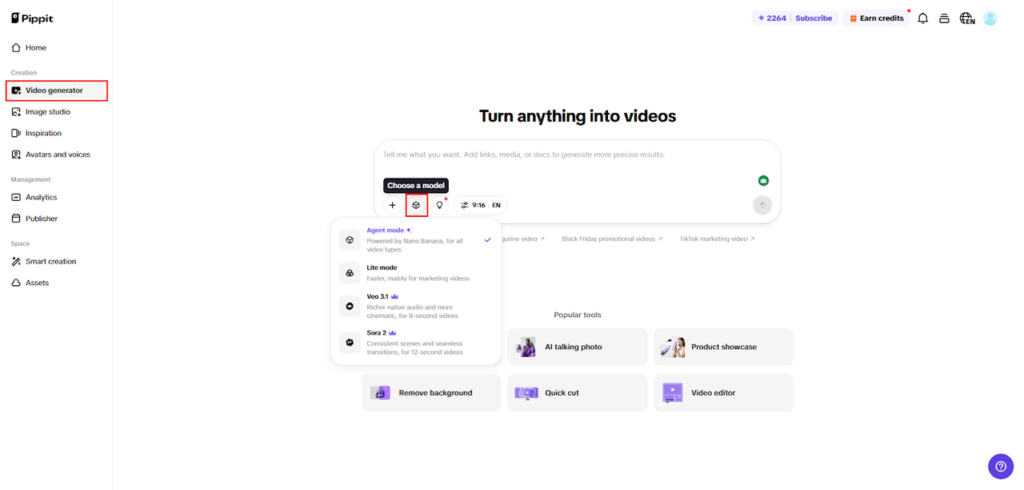
Begin by accessing Pippit and signing up. Move to the “Video generator” tab and click on “Choose a model. From the drop-down menu, select “Agent mode. Add a text prompt describing how links or assets should convert into a video story. Upload files or paste links using the “Add media” tab. Content can come from a local device, phone, Dropbox, or a direct link. If assets are missing, choose from available assets. Finish by clicking the up arrow tab.
Step 2: Automated video assembly
The AI video generator in Pippit automatically edits and generates your video based on uploaded links and assets.
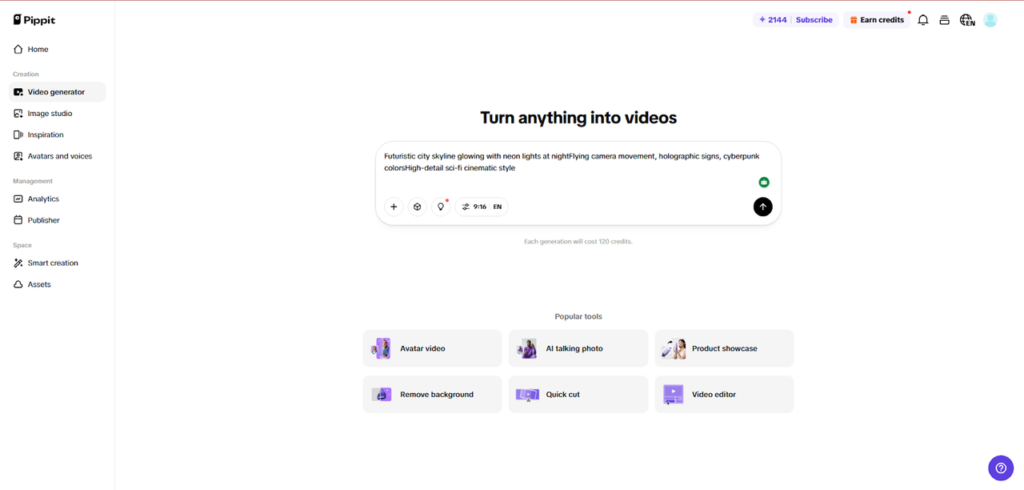
It takes care of transitions, pacing, and video enhancements automatically. To adjust structure or flow, update the text prompt and click the up arrow again. For detailed edits, click the video and open the “edit more” tab in the top right corner to access the main editing interface of Pippit.

Step 3: Export for multi-channel use
Manually edit captions and add text elements where needed. Customize size, color, alignment, and layout for platform readiness. Enhance the video with filters, effects, background music, or remove background elements.
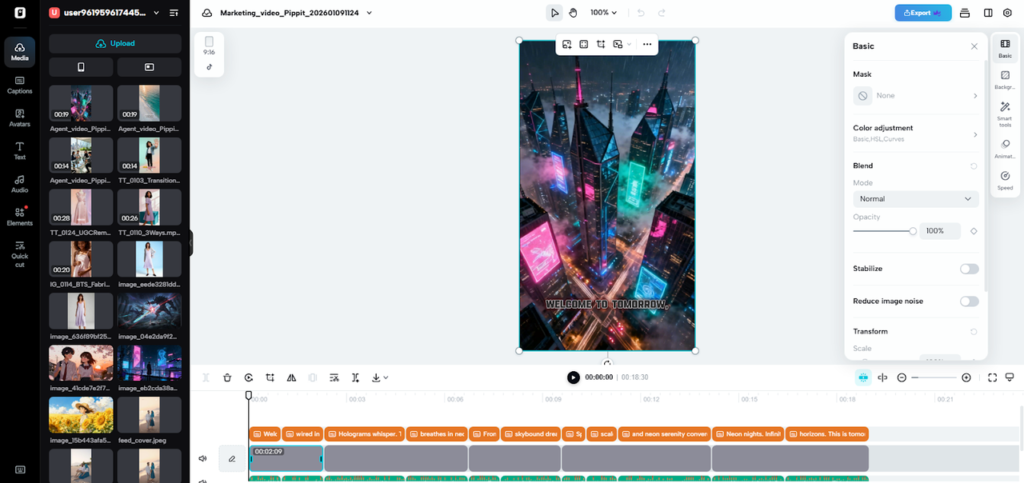
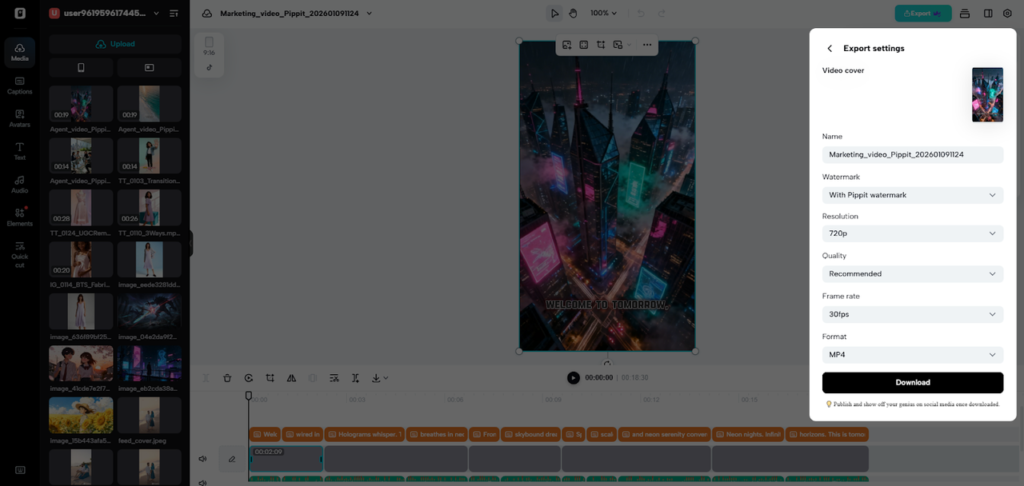
Once finalized, click the “Export” tab in the top right corner. Publish to TikTok, Instagram, or Facebook via “Publish”, or save locally using the “Download” tab with custom format, resolution, frame rate, quality, and name.
Turning Web Pages into Platform-Native Video Stories
Most websites contain a large amount of data that does not fit in social feeds. Pippit incorporates the use of URLs to extract core messages. AI identifies the most significant things to viewers. The layouts are automatically set to either vertical or square video. Simplification occurs without loss of context. Each scene introduces a single point in a very clear way. The scribbling is replaced by movement, and information is less difficult to process. Designing platforms natively maximizes reach and watch time. The current pages are transformed into brief video stories to be shared.
Repurposing Once, Publishing Everywhere
Pippit is capable of driving numerous video outputs with just one set of assets. AI creates platform variations. Branding is compatible with channels. There are consistent logos, tone, and visual style. Redesigns are not repeated. This act assists in speeding up publication. In the middle of this workflow, Pippit functions as a free AI video editor, reducing reliance on separate tools. There are no repetitive and confusing scenes.
Eliminating Manual Asset Assembly Forever
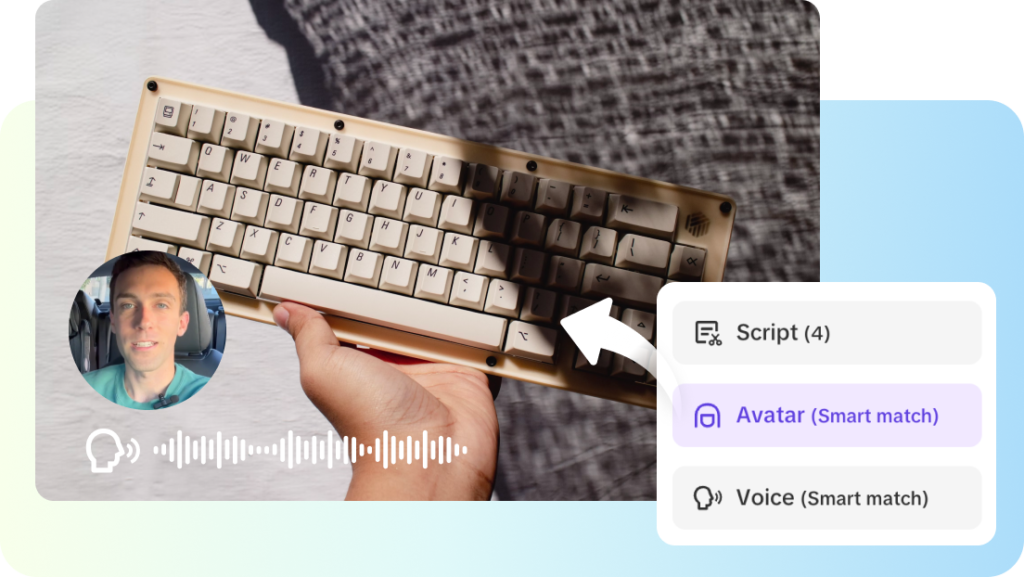
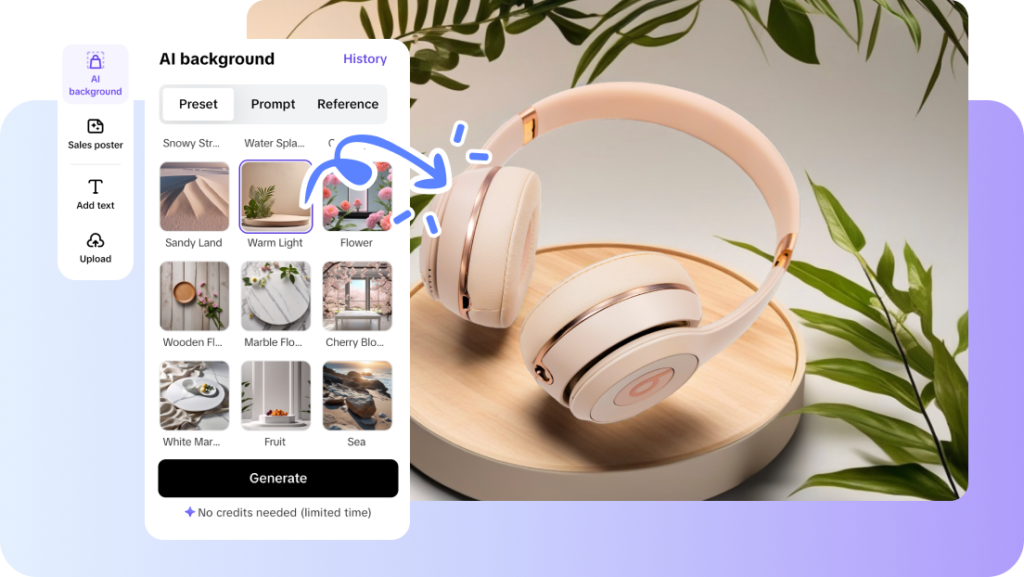
Manual assembly involves the collaboration of writers, designers, and editors. This makes the delivery process slow and increases expenses. Pippit intelligently converts by sequencing. AI processes transitions, timing, and improvements. Monotonous tasks are done away with in design teams. Marketing pipelines have fewer bottlenecks. After the midpoint of this evolution, features like the AI background generator further streamline visual consistency. The platform encourages fast experimentation without compromising quality.
Conclusion
It is better to make a change rather than create incessantly. Existing assets have insight and effort already. Pippit freezes motion using motionless matter. It turns libraries into performing resources.
This paradigm is a smarter future of marketing. Video is provided in an uncomplicated manner. Longer channels with greater validity are relevant to assets. Smart automation will make content work harder and further.